Most creators first learn about YouTube sponsorships by watching someone else hold up a product and share a few friendly lines before their video. It looks simple from the outside. Inside, many smaller creators are wondering how to get sponsorships on YouTube when they are not a huge channel yet.
We talk with a lot of creators who feel stuck. They post for months, sometimes years, and still feel invisible to brands. Some get emails offering a ten dollar gadget in return for hours of work. Others have no idea where to start, what brands want, or how to avoid being underpaid.
The truth is that YouTube sponsorships come in many forms. Product deals, affiliate links, and paid integrations can all start far earlier than most people think. You do not need a million subscribers. You do need the right metrics, a professional setup, and a clear plan for approaching brands.
In this guide, we walk through the full path from zero to first deal. We break down what sponsorships really are, which numbers brands care about, how to prepare your channel, how to pitch, and how to protect yourself with contracts and clear disclosure. We also explain how a growth partner like HypedX can help build early social proof with safe, genuine views, so sponsors take your channel seriously much faster. By the end, you have a simple, repeatable plan you can follow step by step.
Key Takeaways
Before we go deep, it helps to see the big picture. These points sum up what we are about to cover and why it matters for your channel.
You can often start attracting product sponsorships once you hit around one thousand consistent views per video. Brands care far more about real viewers than about a big but silent subscriber count. When those early deals go well, they give you stories and results to show in future pitches. That is how a small start turns into a serious income stream.
Views and engagement matter more than raw subscribers for sponsors. Brands look for proof that people actually watch, comment, and click when you recommend something. We focus on how to raise those numbers in safe ways that respect YouTube rules, including smarter promotion and better content choices.
A professional media kit plus targeted outreach can raise your response rate from almost nothing to steady conversations. We show how to make a simple one page kit and how to build a focused pitch list. You also see how early social proof, including real high retention views from HypedX, can move your channel up the pile so you hear back from more brands in less time.
Niche channels often land deals faster than broad entertainment channels with similar size. When your topic and audience match a product closely, the brand can see the value right away. We also talk about why clear disclosure and honest recommendations keep your audience trust strong. Long term, that trust matters more than any one deal.
Understanding What YouTube Sponsorships Really Are (And Why They Matter)
Before we talk about how to get sponsorships on YouTube, we need a clear picture of what a sponsorship actually is. A YouTube sponsorship is a deal where a brand gives you money, products, or both in return for being featured in your content. You are not just posting for fun any more. You are running a small media business.
“Content is king.” — Bill Gates
This kind of partnership is very different from AdSense. With AdSense, YouTube chooses which ads run and how much they pay. With sponsorships, you talk directly with the brand, agree on terms, and often earn far more per video. You have more control over who you promote and how that message appears.
Sponsorships also help you build real business relationships. A single good campaign can lead to repeat deals, higher rates, and even long term brand partnerships. At first these deals may be simple product offers. Over time, as your numbers grow and you gain experience, they can turn into serious paid campaigns. When you choose brands that fit your content and values, these partnerships can even increase trust with your viewers, not harm it.
The Three Main Types Of YouTube Sponsorships You Can Pursue
Once we understand what sponsorships are, it helps to know the main styles brands use. Each type fits a different stage of channel growth, and many creators mix them for steady income. Knowing the options lets you pick what suits your current size and goals.
Product reviews and contra deals are often the first offers smaller channels receive. A brand sends a free product and asks you to show it, review it, or include it in a video. Early on, these products might be worth twenty to seventy dollars, and later they can be several hundred or more. You may not earn cash at first, but you gain practice working with brands and create examples you can show in your media kit.
Affiliate partnerships pay you a commission on each sale that comes through your link or discount code. Instead of a flat fee, you earn a percentage, often between five and thirty percent, whenever a viewer buys. This model works for channels of almost any size because brands only pay when they see clear results. Older videos can keep earning from affiliate links for months or years, which makes this a strong way to build steady background income.
Paid sponsorships are the classic deals people imagine when they think about how to get sponsorships on YouTube. In this model, the brand pays a fixed fee for a mention, an integrated segment, or a full dedicated video. Smaller channels might see offers in the one hundred to five hundred dollar range, while channels with fifty thousand or more consistent views per video can charge two to five thousand dollars or more. These deals often come with contracts and clear briefs, which makes them feel more professional but also more structured.
The Metrics That Actually Matter To Sponsors (It Is Not Just Subscribers)

Many creators fixate on subscriber milestones, but sponsors think differently. When a brand studies your channel, they ask a simple question: If we sponsor this video, how many of the right people will actually see it and care about it?
The main metrics sponsors care about are consistent views per video, engagement rate (likes, comments, shares), watch time and audience retention, niche and audience fit, and viewer location—all of which YouTube Sponsorship Requirements: Metrics to Look For emphasizes as critical evaluation points for brands.
Consistent views per video are the first thing they check. If new uploads reach around one thousand views, you are already in the range where product deals become realistic. When videos sit in the ten to twenty thousand view range, smaller paid deals often start to appear. Once you cross fifty thousand steady views on new uploads, the doors open for higher fees in the low thousands.
Engagement is the next big signal. Brands love to see comments, likes, shares, and strong watch time because those numbers show that viewers trust what you say. A simple way to measure this is:
Add an average video’s likes and comments.
Divide that total by its views.
Multiply by one hundred.
If that percentage beats what other channels in your niche see, you have a strong story to share in pitches.
Niche and audience data round out the picture. A small channel focused on construction, finance, or specialty software can be more valuable than a much bigger channel in a broad entertainment niche. Brands also care about where viewers live. A channel with a strong base in the United States, the United Kingdom, or Western Europe often pulls better rates because those markets spend more. This is one area where HypedX helps because the service can bring genuine, high retention views from specific regions, which makes your audience stats line up with the markets sponsors want.
Preparing Your Channel To Attract Sponsor Interest
Before you send a single pitch email, your channel should look ready for business. Brands put money and reputation on the line when they work with a creator. When your channel feels clean, focused, and professional, it becomes much easier for them to say yes.
First, content quality matters more than fancy graphics on your banner. Clear audio, decent lighting, and steady editing make a huge difference in how serious you appear. You do not need studio gear, but you should sound clear, look sharp, and upload on a steady schedule. That rhythm tells sponsors you are reliable.
Next, you want a clear niche and brand identity. If someone lands on your channel page, they should know in ten seconds what you talk about and who you help. A strong banner, a short and focused channel description, and consistent thumbnail style build that story. A short channel trailer of around one minute that explains who you are, what you post, and how often you upload helps brand reps understand you in one quick watch.
You can use this quick checklist when you review your channel:
Audio and video: clear enough that viewers can watch without strain.
Branding: banner, thumbnails, and channel description all point to the same topic.
Consistency: recent uploads follow a pattern viewers and sponsors can rely on.
Contact details: a business email visible on your About page and in descriptions.
Finally, make it easy to reach you and build early proof. Add a clear business email to your About page and to every video description. If you want faster sponsor interest, consider using HypedX to gain genuine, high retention views on key videos, with targeting in markets like the United States, the United Kingdom, Germany, and Australia. That early momentum can lift your average views and watch time in a policy friendly way, which is exactly what brands look for when scanning new channels. Always follow YouTube’s terms and any rules set by brands you work with when you use outside promotion.
Creating A Media Kit That Gets Sponsor Attention
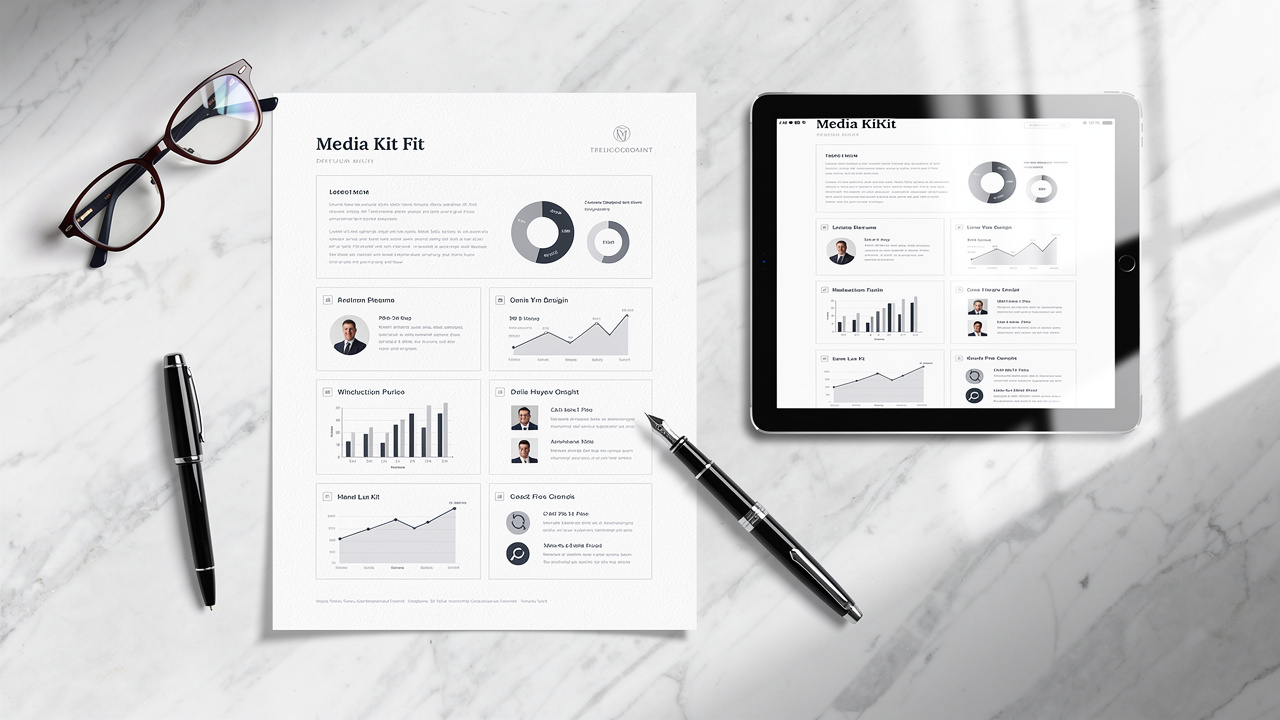
Once your channel looks sharp, the next step is a media kit. Think of it as a one page resume for your YouTube channel that makes it easy for a busy brand manager to see your value at a glance. The goal is simple: help them decide in a few minutes that talking with you is worth their time.
You can design a simple kit with free tools like Canva or Visme. You do not need complex design skills. Clean layout, readable fonts, and clear sections are enough. Save the finished kit as a PDF so it is easy to attach in emails.
Your media kit should include:
Short bio – who you are and what your channel covers.
Key metrics – current subscriber count, average views over the last thirty to ninety days, total watch time, and engagement rate with a short line of context for each number.
Audience demographics – age ranges, gender split, and top countries from YouTube Analytics, with a note if you have a strong base in the United States or other sponsor friendly regions.
Social proof – logos of brands you have worked with, short results, and a quote or two from happy partners (if you have them).
Content highlights – links or thumbnails for a few of your best performing videos and any strong affiliate results.
Sponsorship formats – what you offer, such as mid roll mentions, end screen mentions, or dedicated reviews, plus a note that rates are available on request or a simple starting rate range.
Contact details – email, location (optional), and links to your main platforms.
If you are newer and do not yet have brand experience, lean harder on your best videos, sharp audience data, and any comments that show trust (“I always buy what you recommend,” “Your reviews helped me a lot,” and so on). One strong page is much better than a long, busy deck.
Finding And Researching Potential Sponsors
Now that the channel and media kit are in place, you can start finding brands that actually fit. Random mass emails rarely work. Focused outreach to the right companies gives you far better odds and saves time.
We like to build a simple spreadsheet to track outreach. Add columns for brand name, website, product type, main contact, email, date contacted, and status. This becomes your own small outreach system, so nothing slips through the cracks and you remember when to follow up.
Start by listing brands whose products you already use or would be proud to recommend. Then look in a few places:
YouTube itself – which companies are running ads on channels similar to yours?
Similar creators – what sponsors appear on channels in nearby niches who share your audience but do not compete with you?
Search and social – which brands blog, run ads, or post actively about your topic?
When you find a fit, search LinkedIn or the company site for roles like influencer manager, creator partnerships, or social media manager and try to find a direct email.
Give each brand a simple rating in your sheet for audience match, likely budget, and personal interest. Begin outreach with the ten to twenty brands that score highest instead of blasting one hundred weak fits. That way your pitches feel more personal, and you can quickly learn what types of companies respond best to your channel.
Crafting A Sponsorship Pitch That Actually Gets Responses
Many creators send long emails that talk only about themselves, their story, and their dreams. Brands care more about what you can do for them. A strong pitch shows that you understand their goals and have a clear idea for how your channel can help.
“The aim of marketing is to know and understand the customer so well the product or service fits him and sells itself.” — Peter Drucker
A helpful frame is the ROPE method:
Relevant – show you know their recent campaigns, products, or audience.
Organic – connect their product to content you already make and to real viewer interest.
Proof – share numbers or case studies that show how your audience reacts when you recommend something.
Easy to execute – keep your idea simple to approve and run.
Every email should include a personal greeting and a short line that shows you know the brand. Follow that with one or two sentences about your channel and audience. Then explain why your viewers match their target customers and share a simple idea for a video or integration. Mention that you have attached your media kit and close with a light call to action asking for a short call or for their thoughts.
Here is a simple pitch structure you can adapt:
Subject line: Collaboration Idea Between [Your Channel Name] And [Brand Name]
Hi [First Name],
I run [Channel Name], where I help [short description of your audience] with [topic].
I have noticed that your brand focuses on [short observation], and I think my viewers would connect well with [product or service].
In my recent video about [related topic], I saw [share views, clicks, or comments], which shows clear interest. I have an idea for a video that would feature [brief concept] in a natural way.
I attached a one page media kit with my recent stats and audience data. If this sounds interesting, I would love to chat for ten to fifteen minutes and explore options.
Best,
[Your Name]
Keep the email under two hundred words. If you do not hear back after a week, send one short, friendly follow up. Expect that many brands will not reply, and that is normal. Even a ten to twenty percent reply rate counts as solid for cold outreach.
Using Sponsorship Platforms And Influencer Agencies
Direct outreach is powerful, but it is not the only way to learn how to get sponsorships on YouTube. Sponsorship platforms and influencer agencies can put you in front of brands that are already looking for creators, which saves a lot of time on research.
Sponsorship platforms are usually self service sites where you create a profile, list your stats, and connect your social channels. Examples include YouTube BrandConnect, Upfluence, and Looking For Sponsor. On some of these, brands post campaigns you can apply for. On others, brands search for creators who match their brief.
Influencer agencies work a bit differently. Agencies such as Ubiquitous, Neoreach, or The Influencer Marketing Factory manage campaigns for brand clients and bring creators into those projects. They may help with negotiation, briefs, contracts, and payment, and in return they take a percentage of the fee.
The main benefit of these services is access. You can reach bigger brands and budgets that are harder to approach on your own. On the other hand, you share a slice of income as a fee and may have less control over terms or creative choices. A good mix is to use platforms and agencies as extra deal sources while still building direct relationships with brands yourself and growing your own inbound interest.
Negotiating Your Rates And Deal Terms Confidently

When a brand says yes in principle, the next step is talking about money and scope. This can feel scary the first few times, but it gets easier when you treat it like any other business chat. You bring value. They bring budget. You are figuring out a fair trade.
There are a few common pricing models:
Flat fee – a single payment for a clear set of deliverables such as one sixty second integration in a video.
CPM based deals – a set amount for every one thousand views within an agreed period.
Cost per action (CPA) – payment only when viewers sign up or buy, often paired with a smaller base fee.
Affiliate based deals – a commission on sales, sometimes plus a small flat payment.
As a very rough guide, channels with one to ten thousand subscribers often see deals up to around eight hundred and fifty dollars. Channels between ten and fifty thousand subscribers may reach into the low two thousand range per integration. From fifty thousand up to half a million subscribers, many creators earn several thousand per sponsored spot, and bigger channels can charge well into the five figure range. Your niche and engagement can push those numbers up or down, so do not treat them as hard rules.
You can think about it roughly like this:
Channel Size (Subscribers) | Typical Starting Range Per Integration* |
|---|---|
1,000 – 10,000 | $100 – $850 |
10,000 – 50,000 | $400 – $2,000 |
50,000 – 500,000 | $1,000 – several thousand |
500,000+ | Several thousand – five figures |
*Actual rates vary by niche, engagement, and sponsor budget.
When you talk rates, start slightly higher than your minimum so there is room to adjust. Use your average views, engagement, and any past results to explain why your rate is fair. Be careful with big discounts or heavy exclusivity clauses, where a brand asks you not to work with their rivals for six or twelve months. That kind of promise has a real cost, and your price should reflect it.
Formalizing The Deal Contracts And Legal Protections
Verbal agreements and friendly emails feel simple, but they can lead to messy issues later. A clear written contract protects both you and the brand. It spells out what each side must do and reduces the chance of confusion or scope creep.
Often, larger brands will send their own contract for you to review. Smaller companies may ask you to provide one. In both cases, it is wise to ask a lawyer to review any template you plan to reuse, or to use legal services built for creators.
A good sponsorship contract should cover:
Deliverables – video length, number and placement of mentions, and any extras like social posts or short clips.
Timelines – dates for draft delivery, feedback, and final publication.
Usage rights – who owns the finished content and what rights the brand has to reuse it as an ad or on their channels.
Payment terms – total fee, payment schedule, method, and late payment rules.
Revisions – how many rounds of changes are included and what counts as out of scope.
Cancellation and rescheduling – what happens if either side wants to stop or delay.
Exclusivity and non compete clauses – any limits on working with similar brands and how long those limits last.
Signing a solid contract makes you look serious and dependable, which brands respect. It also gives you something to point to if expectations change mid campaign.
Disclosure Requirements: Staying Compliant And Maintaining Trust

Whenever money or free products are involved, you need to be open with viewers and regulators. In the United States, the Federal Trade Commission has clear rules about sharing any material connection with a brand. YouTube also has its own settings and policies for paid promotions.
“Trust arrives on foot, but leaves on horseback.” — Dutch proverb
On YouTube, you must tick the paid promotion box in your video details if you include product placement, sponsorship, or any form of endorsement. This setting adds a small notice at the start of your video so viewers know a brand is involved. You should still say it out loud and write it in the description as well.
Good practice is to:
Mention the sponsor near the start of the sponsored part of the video with language that is easy to understand.
Add a short disclosure near the top of the description (for example, “This video includes a paid promotion with [Brand Name].”).
Flag any affiliate links with a note that you may earn a commission from purchases.
Avoid vague phrases that hide the nature of the deal.
Clear and simple disclosure keeps trust with your audience and shows brands that you care about doing things the right way. Trying to hide sponsorships can harm your channel, lead to penalties, and damage the long term relationship you have with viewers.
How HypedX Accelerates Your Road From Zero To First Sponsorship
There is a frustrating loop many new creators face. Brands want proof that your channel can reach and hold the right audience before they spend with you. Yet growing to those numbers through organic reach alone can take a long time, especially in crowded niches. That is the gap we built HypedX to address in a safe, smart way.
HypedX focuses on genuine YouTube view growth from real users who actually watch content. Our Smart Delivery Technology spreads that traffic over time so viewing patterns feel natural and comfortable for viewers. We never ask for your password, and the service is designed with YouTube’s public guidelines in mind, although no third party can promise specific outcomes or account safety.
For emerging channels, this extra push can change how your stats look to sponsors. When your recent uploads show higher, more stable views and better watch time, your media kit becomes far more convincing. Brands scanning your channel no longer see a handful of stray spikes. They see steady proof that people are watching what you post.
Targeted geography is another strong point. With HypedX, you can focus on views from regions like the United States, the United Kingdom, Europe, Germany, and Australia. That means your audience data in YouTube Analytics lines up with the markets many global brands care about most. When a sponsor asks whether you reach their core region, you can answer with clear charts and numbers instead of guesswork.
Established creators can also use HypedX to give important videos a performance boost. That might be a past sponsored video where you and the brand agree that extra distribution is helpful, or a key piece of content you plan to feature in future pitches as a case study. Be open with partners about any paid promotion behind content you present as an example; honest context keeps expectations realistic. Since we support creators around the clock, offer a delivery guarantee, and keep prices friendly, HypedX fits both smaller channels and bigger operations that care about steady, safe growth toward sponsorship goals.
Conclusion
Getting YouTube sponsorships is not reserved for giant channels. With the right approach, creators at many different stages can start landing real deals. The key is understanding what brands value and then building those pieces into your channel with care.
We walked through how sponsors look past subscriber counts to focus on views, engagement, niche focus, and audience location. We covered how to polish your channel, build a clear media kit, find aligned brands, write pitches that speak to their goals, and protect yourself with contracts and honest disclosure. First deals may be product only or small cash amounts, but they give you proof and experience you can build on.
Throughout this process, authenticity matters most. When you choose brands that fit your values and your viewers, sponsorships feel like natural recommendations instead of random ads. That trust is what keeps audiences watching and brands coming back.
If you want to move faster toward your first deal, a growth partner like HypedX can help by building early social proof with real, high retention views in the regions brands care about. Combine that with steady content, smart outreach, and clear communication, and you give yourself a strong chance to succeed. Set a simple goal to send a specific number of thoughtful pitches in the next month and track each one. Every creator who has a full calendar of sponsors started with a single well written email and a focused plan.
Frequently Asked Questions
We hear a few questions over and over from creators who are learning how to get sponsorships on YouTube. Here are clear answers that can guide your next steps.
How Many Subscribers Do I Need To Get My First YouTube Sponsorship?
There is no fixed subscriber number that unlocks your first sponsor. Brands care more about how many real people watch and engage with each new video. Many creators secure their first product based deals between one and five thousand subscribers once they average around one thousand views per upload. Niche channels that speak to a very specific group can sometimes land sponsors even earlier. Paid sponsorships often start to show up around ten to twenty thousand subscribers with higher and more stable view counts.
Should I Disclose Every Sponsored Video, Even Product Only Deals?
Yes, you should disclose all sponsored content, including simple product only arrangements. The moment a brand gives you a free item, affiliate link, or any form of benefit, you have a material connection in the eyes of regulators. On YouTube, that means checking the paid promotion box, mentioning the partnership in your video, and adding a clear line in the description. Viewers respect this kind of openness, and it does not make your recommendations weaker. In fact, hiding sponsorships is what harms trust and can bring real problems.
How Much Should I Charge For My First Paid Sponsorship?
The right rate for a first deal depends on your average views, engagement, and niche. Many channels between five and twenty thousand subscribers see early paid offers in the one hundred to five hundred dollar range for a single integration. When you set a price, think about how many hours you spend planning, filming, editing, and handling feedback. Research what similar channels in your space charge by asking in creator groups or talking with peers. Aim for a rate that feels fair, leave room for some negotiation, and decide your minimum so you know when to walk away from low offers.
What If Brands Only Offer Free Products Instead Of Payment?
Product only offers are very common at the start and can be useful if you choose them wisely. Ask yourself whether you would actually buy or use the item, whether your audience will benefit from seeing it, and whether the value makes sense for the work involved. Filming a ten hour project video in exchange for a cheap gadget rarely makes sense. On the other hand, a higher value item that fits your content can give you practice with brand briefs and a real example for your media kit. As your channel grows, you can start asking for a fee on top of the product.
How Can I Make My Channel More Attractive To Sponsors Quickly?
The fastest way to look better to sponsors is to improve the metrics they watch most. Focus on consistent uploads, stronger titles and thumbnails, and topics that your audience already responds to so your views per video rise. Clean up your channel page with a clear banner, simple channel trailer, and updated About section plus a visible business email. Build a basic media kit now, even if you have not done brand work yet, using your best videos and current analytics. If you want an extra push, consider using HypedX to gain genuine, policy safe views, especially in regions your dream sponsors care about. Combine that with targeted outreach to well matched brands instead of waiting for inbox miracles.