

Posting your tenth carefully crafted lesson and seeing only a handful of views feels like giving a lecture to an empty classroom. Many teachers and experts start a channel with real knowledge and big goals, yet still wonder how to grow an educational YouTube channel when the algorithm barely notices. That gap between effort and reach is discouraging, especially when you know your videos could genuinely help people.
Teaching content follows different rules than pure entertainment, as shown by modelling and statistical analysis of educational video viewership patterns. Funny clips can spike overnight, but lessons depend on trust, clear structure, and a learning community that returns week after week. That means growth cannot rely on luck. It calls for data, strategy, and a plan that covers everything from niche selection to thumbnails and monetization.
This guide walks through a complete, data-backed approach. You will learn how to narrow your niche, plan topics with real search data, film and edit lessons that keep students watching, and read YouTube Analytics without getting lost. You will also see where a growth service like HypedX fits in, adding safe momentum and social proof for new or stalled educational channels. By the end, you will have a clear path for turning teaching skills into a channel that reaches the right learners while staying within YouTube’s rules.
Key Takeaways
Start With Focused Positioning. Narrow your topic, study what students search for, and design videos for a specific learner. A sharp niche makes it easier to appear in search, earn subscribers, and make later decisions about content, thumbnails, and revenue.
Let Data Guide Ideas And Packaging. Use keyword tools, comments, and YouTube Analytics to see which topics people want, which thumbnails win clicks, and where viewers stop watching. Combine those insights with solid production, and you send strong positive signals to the algorithm.
Add Smart Promotion And Social Proof. Consistent publishing, cross-platform sharing, and active community interaction build trust over time. Targeted view campaigns from services such as HypedX can then add real, high-retention views that help strong educational videos reach far more learners.
Define Your Educational Niche And Target Audience
Before worrying about cameras or thumbnails, decide exactly who you teach and what you teach them. A broad channel about science or history competes with huge brands, while a focused channel such as “Astrophysics For Beginners” or “US History Crash Courses For High School Exams” can stand out much faster. A clear niche tells both viewers and YouTube what your channel is about.
We are looking for the overlap between your skills, your interests, and audience demand. That might mean basic coding, exam prep for a certain grade, or explaining economic news in simple language. To see whether a niche has real interest, you can:
Type topic ideas into YouTube search and note what auto-completes
Study view counts and upload frequency on similar channels
Use keyword tools to compare search volume and competition
If you see steady interest and notice missing angles or weak explanations, that is a strong sign.
Next, sketch your ideal viewer. Age, language, and location all shape your teaching style, pace, and examples. A 13‑year‑old in the US needs different support than a working professional in Germany brushing up on Excel. Comments on similar channels, Reddit threads, and simple surveys reveal common struggles and goals. When you later run a HypedX campaign, this clarity also lets you use geographic targeting so that high-retention views come from the same countries you already serve, such as the USA, UK, Europe, Germany, or Australia.
Build A Strategic, Data-Driven Content Plan

Once you know your niche and learner, you can stop guessing what to film next. A content plan turns random uploads into a steady teaching series that YouTube can understand and recommend, and it removes a lot of stress because you always know what you are working on.
Start with topic and keyword research around the questions your students actually ask. Look for phrases such as “basic algebra for adults” or “how to remember biology terms”. Useful research steps include:
Collect phrases from YouTube auto-complete and “People Also Watched”
Scan comments on your videos and on larger channels for repeated questions
Note seasonal patterns such as exam dates or school terms
Then create a simple content calendar in a spreadsheet or project tool. For each video, note dates for research, scripting, filming, editing, thumbnail design, upload, and promotion. A regular rhythm—such as one video every week—builds trust with subscribers and gives the algorithm clear signals that your channel is active.
Leave room for experiments. When you publish a lesson you believe in, give it an extra push: stronger title and thumbnail tests, and, if budget allows, a HypedX campaign that sends genuine, high-retention views from your target countries. Combined with good SEO, this can help YouTube notice winning videos faster.
Master Video Production And On-Camera Delivery For Educational Impact

Even the smartest lesson can fall flat if the video is hard to follow, which is why learning how to create engaging educational videos requires careful attention to structure and delivery. Good production does not require a giant budget; it means clear structure, clean audio and video, and a presenter who feels present and confident.
Work from a script or detailed outline with three clear parts:
Hook (first 15–30 seconds): state the problem or promise in simple terms.
Main Lesson: break ideas into small, logical chunks that each answer one question. Use practical examples or short stories so concepts stick.
Recap And Next Step: summarise the key points and point viewers to a follow‑up video, playlist, or worksheet.
On camera, aim to sound like a focused, friendly teacher, not someone reading slides. Look into the lens so it feels like a one‑to‑one conversation. Vary your pace and tone, slow down for definitions, and bring more energy for summaries. If you use a teleprompter, rehearse until your reading feels like natural speech.
For gear, prioritise audio. A modest external microphone often helps more than a new camera. A smartphone on a tripod in a quiet, well‑lit room is enough for many channels. Face a window or simple lights, and keep the background tidy and relevant—a desk, whiteboard, or bookshelf signals that you take teaching seriously.
Edit And Improve Videos For Maximum Retention And Accessibility
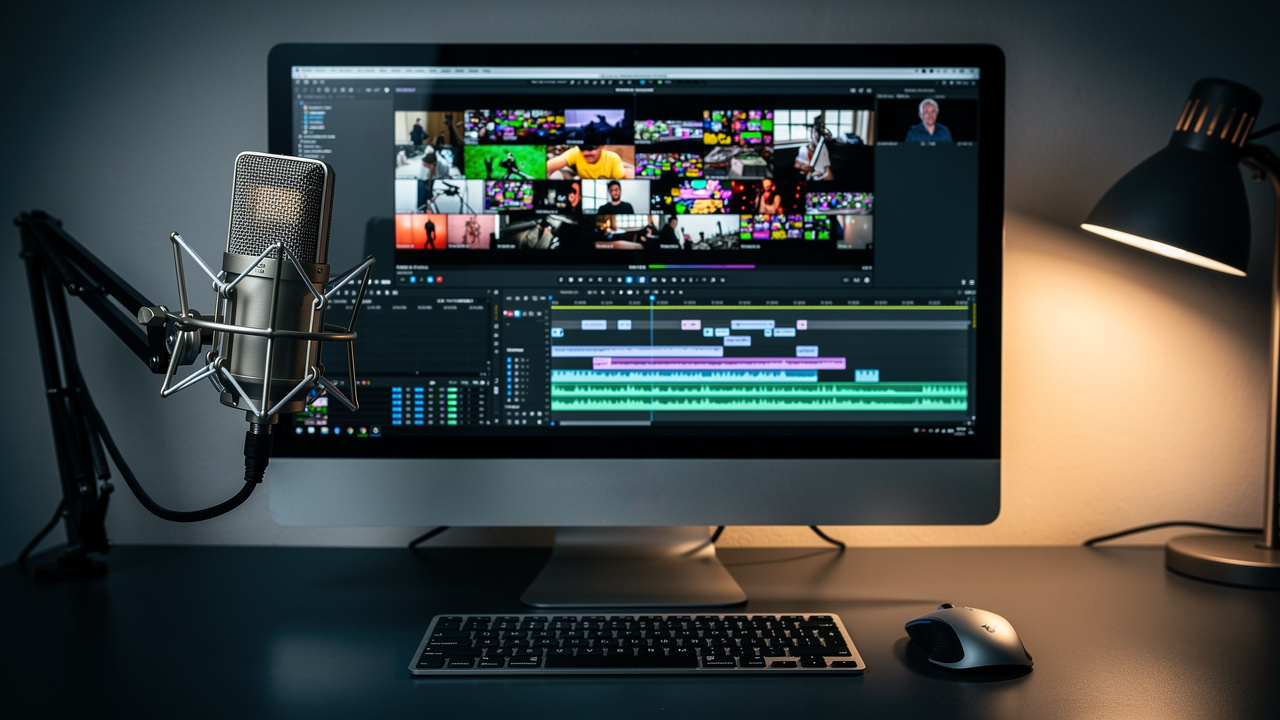
Raw footage is only the starting point. Editing shapes it into a tight lesson that respects students’ time and keeps them engaged. You do not need advanced visual effects; you just need to remove what does not help the learner and add simple touches that clarify the message.
Any solid editing program can handle the basics. Focus on:
Cutting long pauses, repeated phrases, and filler sounds
Choosing the best takes for each explanation
Trimming slow sections until the lesson feels crisp when you watch as a student
Add visual variety so the video is not just a talking head. Screen recordings work well for software, diagrams help with systems, and short cutaway clips illustrate real objects or events. Simple transitions, on‑screen labels, arrows, and clean chapter titles guide attention without distracting from the teaching.
Polish audio with noise reduction and consistent volume, and add light background music only if your voice stays clear. Make accurate subtitles or closed captions part of your standard workflow. Captions help viewers who are deaf or hard of hearing, support learners who watch on mute or in another language, and give YouTube more text to understand your topic.
Optimize Videos For YouTube Search And Discovery (YouTube SEO)
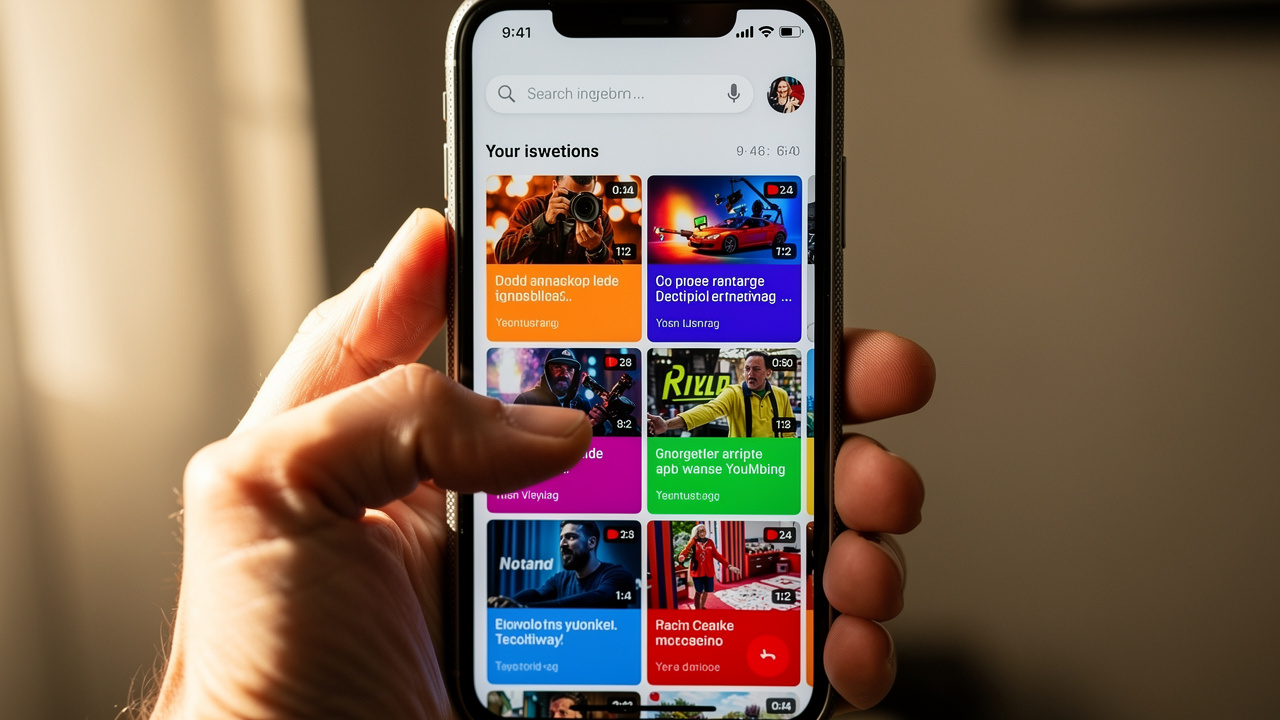
You can have the best lesson online and still struggle if nobody clicks. YouTube SEO is about presenting your video so that both the algorithm and real people instantly understand its value. The main pieces are thumbnails, titles, descriptions, and tags.
Thumbnails have huge impact on click‑through rate. Aim for:
Bright, clear colors that stand out on a phone
Short, readable text that adds to (not repeats) the title
Faces with expressions that match the lesson mood
“On YouTube, the thumbnail is your book cover and the title is your headline. Get those two right, and your content at least has a chance to be seen.”
— Experienced Education Creator
Titles should mix keywords with a clear benefit. Include your main keyword near the start in natural language, such as “How To Grow An Educational YouTube Channel With Real Data” or “Basic Algebra For Adults Who Forgot Everything”. Avoid clever wordplay that hides what the video teaches; clarity wins.
Use the description to expand on the promise. Open with two or three strong sentences that repeat the core idea and naturally include related phrases. Then add:
Timestamps for each section of the lesson
Brief notes or resource links
A short section of related phrases written as normal sentences
Tags matter less than before but are still worth adding. Include your main keyword, close variations, and broader category terms. The first days after publishing are especially sensitive: if you can send relevant viewers who watch for a long time, like, and comment, YouTube takes notice. A HypedX campaign that brings real, high‑retention viewers through its Smart Delivery Technology can strengthen those early signals.
Promote Your Educational Content And Build A Learning Community

Relying only on search is risky, especially for new channels. Promotion brings learners in from outside YouTube, and community building keeps them coming back. Together, they turn one‑off viewers into a real learning group around your channel.
Share each new video where your students already spend time:
Visual platforms: post a short clip or graphic and link to the full lesson
Professional networks: write a brief summary and invite discussion
Topic‑based communities: answer questions first, then mention your video when it truly helps
Short‑form clips work like tiny ads for your deeper lessons. Pull a strong explanation, quick tip, or before‑and‑after example into a 15–30 second vertical video. Publish it as a YouTube Short and reuse it on other platforms, always pointing interested viewers back to the full lesson.
Email is still one of the most reliable traffic sources. Even a simple list from a website or course can send a steady wave of engaged viewers whenever you publish. Use YouTube’s Community tab for polls, behind‑the‑scenes updates, and questions between uploads. Live streams such as office hours or review sessions let students interact with you directly and build strong loyalty.
As those organic efforts grow comments and watch time, social proof makes new visitors more willing to stay. When you combine that natural engagement with targeted view boosts from HypedX on key videos, you send a powerful signal that your channel is worth recommending.
Analyze Performance Data To Refine Your Strategy
Guessing is expensive on YouTube, which is why big data analysis of dedicated educational channels reveals patterns that help creators make informed decisions. The platform gives you detailed analytics for free, and paying attention to a few key metrics is one of the fastest ways to grow an educational YouTube channel without wasting months.
Focus first on these numbers:
Click‑Through Rate (CTR): if CTR is low but watch time is high, the lesson is good but the packaging is weak. Test new thumbnails and titles.
Audience Retention: steep drops in the first 30 seconds point to weak hooks; dips later often mark confusing explanations or off‑topic tangents.
Average View Duration And Watch Time: YouTube cares how many minutes people spend with your content, not just how many views you get.
Traffic Sources: compare search, suggested videos, and external traffic to see which discovery paths are working.
Treat comments as qualitative data. Viewers will tell you which examples helped, what confused them, and what they want next. As one long‑time teacher said after moving online:
“Your comment section is a free focus group. Listen to it, and every lesson gets sharper.”
When you combine that feedback with analytics and keep adjusting, each upload improves.
HypedX: Accelerating Educational Channel Growth With Authentic Engagement
Even with strong content and smart planning, new educational channels face a tough starting phase. Low view counts make great lessons look untested, and many learners hesitate to click a video with only a few plays. This “cold start” problem is especially strong in serious subjects where trust matters.
HypedX was created to bridge that gap without risky tactics. Instead of bots or fake traffic, the service sends genuine YouTube views from real people who watch for natural lengths of time. High‑retention viewing is exactly what YouTube looks for when deciding whether to recommend a video more widely, so this kind of traffic supports organic growth rather than fighting it.
At the core is Smart Delivery Technology, which spreads views in realistic patterns that align with normal user behaviour. HypedX works only with public video links, never asks for passwords, and is designed to respect YouTube’s rules. That lowers the risk compared with shady services that dump low‑quality traffic onto your channel.
For teachers who want to reach students in specific regions, precise geographic targeting is a big advantage. You can focus campaigns on viewers in the USA, UK, parts of Europe, Germany, or Australia so that the lessons and the audience stay aligned. HypedX also offers a 30‑day satisfaction guarantee and round‑the‑clock support, making it easier to test the service on important videos.
When you pair HypedX campaigns with strong thumbnails, titles, and watch‑worthy lessons, those early high‑retention views help YouTube notice your work faster. Once a video starts attracting organic viewers on its own, your channel continues to benefit long after the campaign ends.
Monetize Your Educational Channel: From Ads To Premium Courses
For many creators, teaching on YouTube starts as a passion project. Over time, income becomes important so you can keep investing in better lessons. Educational channels are well placed here because even a smaller, focused audience can be very valuable.
The YouTube Partner Program is often the first step. Once you meet the subscriber and watch‑hour requirements, you can turn on ads and earn a share of the revenue. Teaching topics in finance, tech, and business often attract advertisers willing to pay more. After that, sponsorships add another layer: brands that fit your niche may support individual videos or series. Always work with companies you genuinely respect and label sponsored content clearly so viewers keep trusting you.
Direct offers often provide the biggest income jump. You can:
Build structured online courses that go deeper than free videos
Create digital products such as workbooks, templates, or study planners
Offer premium playlists or memberships with extra practice and Q&A
Coaching and consulting are strong options when your topic supports one‑to‑one help, such as exam prep or career skills. Think in terms of a simple ladder: free YouTube videos bring students in, organic promotion and HypedX grow that base, and then a mix of ads, sponsors, products, and services creates a stable teaching business.
Conclusion
Growing an educational YouTube channel is not about chasing viral moments. It is about building a clear, focused teaching brand that the right learners can find, trust, and return to over time. That starts with a narrow niche, clear audience research, and a content plan based on real search data and feedback instead of guesswork.
From there, progress comes from repeatable habits: scripting and filming with clarity in mind, editing for strong retention, packaging lessons with sharp thumbnails and honest titles, and promoting each upload across relevant platforms. Reading analytics and comments then shows you what to adjust next.
The early months can feel slow, but consistent systems pay off in reach, impact, and income. When you combine solid teaching, smart use of tools like HypedX, and a steady publishing rhythm, you give your channel every chance to grow into a thriving learning community.
Frequently Asked Questions
Question 1: How Long Does It Take To Grow An Educational YouTube Channel?
Timeframes vary a lot, but most serious educational channels need several months of steady work before growth feels strong. With one well‑optimized video each week, many creators start to see consistent progress around the six‑ to twelve‑month mark. Niche competition, content quality, and promotion all shape this timeline. Stronger thumbnails, better hooks, and a service like HypedX to build early social proof can speed up that first noticeable rise in views and subscribers.
Question 2: Is It Safe To Use YouTube Growth Services Like HypedX?
Safety should be your main concern with any growth service. Many options are risky because they rely on bots or fake accounts, which goes against YouTube’s rules and can harm or even remove a channel. HypedX is built differently, using real users and Smart Delivery Technology that keeps viewing patterns natural. The service never asks for passwords, works only with public video links, offers a 30‑day satisfaction guarantee, and is designed to support—not replace—solid organic strategies.
Question 3: What Is The Most Important Metric For Educational YouTube Channels?
For teaching content, audience retention stands out. It shows how long viewers stay with the lesson, which reflects how useful and engaging they find it. High retention sends a strong signal to YouTube that the video deserves more reach. To raise this metric, work on sharper hooks, clearer explanations, more visual variety, and tighter editing. Total watch time across your channel also matters, because longer viewing shows deep engagement.
Question 4: Should I Focus On YouTube Shorts Or Long-Form Videos For Educational Content?
Both formats serve different goals, and a mix usually works best. Long videos of ten minutes or more let you go deep, explain step by step, and build higher watch time that supports monetization and authority. Shorts under sixty seconds work more like hooks, catching new viewers with a single tip or insight and sending them to your longer lessons.
Here is a simple way to think about the mix:
Format | Main purpose | Best for |
|---|---|---|
Long videos | Deep teaching and higher watch time | Full lessons, exam prep, detailed walkthrough |
Shorts | Fast discovery and quick attention | Tips, hooks, highlights, concept teasers |
Question 5: How Do I Monetize An Educational YouTube Channel Beyond Ads?
Relying only on ads can feel limiting, especially for smaller channels. Educational creators have several additional income paths that often pay much better. You can build structured online courses that go further than YouTube lessons, use affiliate marketing for tools or books you truly recommend, design digital products such as templates and workbooks, and offer one‑to‑one coaching or consulting. Because your audience is focused and motivated, they are far more likely than casual viewers to invest in deeper learning options.