
Hitting publish on a first YouTube video in 2026 can feel like dropping a message in the ocean. You spend hours filming, editing, and tweaking thumbnails, yet the view counter barely moves and the comments section sits empty. When that happens, the phrase YouTube algorithm for new channels can sound more like a threat than a tool.
You will see posts claiming the system only favors big creators, though YouTube channels, uploads and views studies show the platform actively tests content from creators of all sizes. It is easy to believe the game is rigged. The truth is very different. The algorithm’s job is to match each viewer with videos they are likely to enjoy. If you understand what it looks at and how it reacts, you can work with it instead of feeling blocked by it.
This guide explains what the algorithm actually does, which ranking signals matter most, and how the main discovery surfaces work (Homepage, Search, Suggested, and Shorts). You will walk through practical SEO steps, content strategy, and retention tips that help the YouTube algorithm for new channels find the right audience faster. You will also see how HypedX supports new creators with genuine, high‑retention views that give the system early data so it can trust a fresh channel sooner.
“The goals of our recommendation system are to help viewers find the videos they want to watch and to maximize long‑term viewer engagement.” — YouTube Recommendation Systems Team
That is the standard the algorithm is judged on. Your job is to feed it proof that your videos help with that goal.
Key Takeaways
Keep these ideas in mind as you read. They act like a map so you do not get lost in details.
The YouTube algorithm for new channels is not a gatekeeper. It is a matching system that studies behavior and pairs the right videos with the right people. Clear signals from your content help it place even a brand‑new channel in front of interested viewers.
Five signal groups matter most: viewer satisfaction, engagement, click‑through rate (CTR), retention, and what viewers do after a video ends. Improve these and the system gains confidence that your videos deserve more reach, even with few subscribers.
Discovery happens on four main surfaces: Homepage, Search, Suggested, and Shorts. Each one leans on slightly different signals. Plan titles, thumbnails, and formats with these in mind so the algorithm has more chances to test your work.
HypedX helps with the “cold start” stage. By sending real, high‑retention views from targeted regions, HypedX feeds the algorithm strong early data without breaking platform rules, so every other tactic in this guide works faster.
What Is The YouTube Algorithm And How Does It Work In 2026?
When people say “the YouTube algorithm,” they are talking about a group of AI systems that run in real time and decide which video to show each viewer next. In 2026 these systems rely heavily on machine learning and large language models—as detailed in Gemini’s deep research on YouTube viewership patterns—so they read far more than titles and tags. They can infer topic, tone, and even how practical or entertaining a video seems.
The core goal stays simple: keep viewers satisfied so they watch longer and come back more often. To do that, YouTube looks at:
Watch and search history
Device type and location
Time of day and session length
How similar viewers respond to the same videos
The YouTube algorithm for new channels follows the same rules as it does for big channels. If a fresh video makes viewers happy, the system treats it as a good option even with no track record.
The algorithm does not “blast” your video to everyone. It tests it with small groups, watches how those people react, and then expands or limits reach. It also behaves a bit differently on each surface (Homepage, Search, Suggested, Shorts). The big shift that matters for newcomers: YouTube looks more at how a specific video performs with a target audience than at channel size. That is good news for new creators who can hold attention.
The 5 Most Critical Ranking Signals For New Channels In 2026

YouTube tracks thousands of signals, but a research paper by platform analysts confirms that a small set carries most of the weight for new channels. Focus on these to move out of the zero‑view zone.
Viewer Satisfaction And Feedback
YouTube now asks many viewers quick survey questions after a video, such as whether they enjoyed it or found it helpful. It also tracks negative actions like “Not interested” and “Don’t recommend channel.” Misleading titles, weak content, or boring delivery trigger those responses, which pull your video out of recommendations. When people finish a video and feel their time was well spent, the system treats that video as a safe bet to show more often.Engagement In Context
Watch time, average view duration, likes, comments, shares, and rewatches show how deeply viewers connect with a video. The system looks at those numbers relative to video length, topic, and device. A three‑minute clip that keeps 80% of viewers often looks better than a twenty‑minute upload where most leave halfway through. The YouTube algorithm for new channels is not counting raw clicks; it is asking whether behavior looks strong for that kind of video.Click‑Through Rate And Thumbnail Performance
CTR is the percentage of impressions that turn into clicks. When your thumbnail and title appear, YouTube compares how often people choose your video versus others on the screen. First it tests with a small audience. If CTR is strong and people stay to watch, the test widens. If viewers click and then bounce because the title or thumbnail was misleading, reach can shrink very fast.Audience Retention Patterns
Average view duration shows how long people watch in minutes; percentage viewed shows how much of the video they finish. Retention graphs in YouTube Studio reveal drop‑offs where viewers lose interest or get confused. For new channels, the first 30 seconds matter a lot because many people decide there whether to stay. A clear, fast opening makes the algorithm more confident that recommending your video is not risky.What Viewers Do After The Video Ends
YouTube tracks session watch time: how long someone keeps watching after they start with your video. If they close the app, that is a weak signal. If they tap another one of your videos, a playlist, or a related clip, that shows your video started a healthy session. Smart use of end screens, cards, and playlists nudges viewers toward that kind of behavior.
HypedX plugs directly into several of these signals. The service provides genuine, high‑retention views from real users. That leads to longer watch times, better retention curves, and more sessions that continue past the first video. Strong early data helps the YouTube algorithm for new channels feel confident enough to test your content with larger, more relevant groups.
How The Algorithm Recommends Content: The 4 Key Discovery Surfaces
The algorithm behaves a little differently depending on where viewers find you. Understanding the main discovery surfaces helps you shape videos that fit more entry points.
The YouTube Homepage
The Homepage is deeply personal. It mixes new uploads from channels a viewer already likes with videos that similar viewers enjoyed. You can think of it as automated word of mouth. The system studies people with similar tastes and then shares what they liked.
For new channels, Homepage reach grows when you:
Stick to a clear niche so YouTube knows who might care
Consistently keep that audience satisfied
Publish often enough that the system has fresh data
Do that, and the Homepage starts to treat your channel as a safe option for viewers with that pattern of interests.
YouTube Search Results
Search is where viewers actively type what they want. The algorithm reads the query and looks for videos that match both the words and the intent behind them. It checks:
Titles and descriptions
Actual spoken and on‑screen content
Engagement data for that specific search term
A light layer of personalization
For the YouTube algorithm for new channels, Search is one of the fairest arenas. Clear keywords, direct answers, and strong retention can help a new video rank beside much bigger channels, especially on longer, more specific queries.
Suggested Videos (Up Next)
Suggested videos appear beside or after what someone is already watching. The goal is simple: keep the session going with something that feels like a natural next step. YouTube looks at:
The topic and performance of the current video
The viewer’s watch history
Which videos other viewers often watch next
Two people can watch the same video and see different Up Next options because their histories differ.
To tap this surface, you can:
Link related videos into mini‑series
Use end screens and cards to point to the best “next” video
Use similar titles and thumbnails for related content so the pattern is clear
This makes it easy for both the viewer and the algorithm to agree on where to go next.
YouTube Shorts Feed
Shorts run in a vertical, swipeable feed. Viewers do not choose each clip by tapping a thumbnail. Because of that, the Shorts system leans heavily on fast signals:
How many people watch instead of swiping away
How long they stay
How often they rewatch or share the clip
Custom thumbnails and long descriptions matter less here. The YouTube algorithm for new channels on Shorts cares most about the first one to three seconds and the full‑clip completion rate. If you hook attention right away and deliver a tight payoff, Shorts can expose a tiny channel to thousands or even millions of people.
Essential YouTube SEO Strategies For New Channels
Good content still needs clear packaging. YouTube SEO helps both humans and the algorithm understand what a video covers so it can appear in the right searches and recommendations. For a new channel, clean metadata makes early tests easier and faster.
Keyword Research And Targeting
Keyword research shows what people already type into YouTube and Google. Simple ways to start:
Use YouTube’s autocomplete suggestions
Check Google Trends for rising topics
Study top videos in your niche and note repeated phrases
Aim for a mix of broad topics and longer, specific phrases with less competition. Weave these terms into titles and descriptions in a natural way; avoid stuffing them in a long, spammy block.
Crafting Optimized Titles
A strong title:
Promises clear value
Includes at least one main keyword
Matches what the video actually delivers
A simple pattern is benefit + target keyword + focus detail. For example: “Grow With The YouTube Algorithm For New Channels In 30 Days” has value, a keyword, and a time frame. Put the most important words near the front so they stay visible on mobile.
Writing Effective Descriptions
Descriptions give extra context that both viewers and the algorithm can read. Use them to:
Summarize the core value in the first two or three lines (above the fold)
Add supporting details, links, and calls to action below
Include timestamps for chapters where relevant
One or two short paragraphs with natural keywords are often enough for YouTube to understand your topic and related themes.
Creating Click‑Worthy Thumbnails
Custom thumbnails control the instant first impression. Keep them:
Simple, with a clear focal point
High contrast, so they stand out in a crowded feed
Consistent in style across your channel
Faces with obvious emotion often draw attention, especially in tight close‑ups. Once you have enough traffic, you can test different thumbnail styles over time and watch how they affect CTR and retention.
Content Strategy: What New Channels Must Do To Gain Algorithmic Traction
One great video is not enough. The YouTube algorithm for new channels looks for patterns: what you post, who watches, and who comes back. A clear content strategy trains the system to match your uploads with the right viewers over and over.
Define Your Niche And Stick To It
A channel that posts gaming one day, cooking the next, and finance tips after that confuses both viewers and the algorithm. When you pick a niche and stay with it, YouTube can classify you and send your videos to people who like that topic.
A handy exercise is the XY premise:
“This is a about [topic]. Unlike others, we [special angle].”
Write one line like that and use it to guide every new idea. It keeps your channel focused and easy for the system to understand.
Create A Cohesive Viewer Path
Growth speeds up when viewers watch more than one video. You want a clear path that nudges them from clip to clip. To build that path:
Group related videos into playlists
Record part‑one / part‑two style series
Use cards and end screens to recommend the best next step
This raises session watch time, which tells the YouTube algorithm for new channels that your content keeps people active on the platform.
Prioritize Viewer Satisfaction Above Everything
Clickbait can create a short spike, but satisfaction keeps a channel alive. If your title and thumbnail promise one thing and the video delivers something weaker, viewers leave early and lose trust.
A stronger approach:
Answer a clear question
Solve a specific problem
Tell a story that moves at a steady pace
Read comments for clues about what people loved, what confused them, and where they got bored. Use that feedback to adjust future uploads.
Establish A Consistent Upload Schedule
Both humans and algorithms like predictability. A steady schedule—even once a week—helps viewers plan time for your content and gives YouTube a sense of when to expect new data.
Use YouTube Analytics to see when your audience tends to watch and schedule uploads shortly before those hours. Consistency with a realistic pace beats a burst of daily videos followed by burnout.
Use Multiple Content Formats
YouTube now offers many ways to reach people:
Long‑form videos for deep dives and strong watch time
Shorts for fast reach and discovery
Live streams for real‑time interaction
Community posts for quick updates and polls
You can use Shorts as a front door that points to long‑form videos, while posts keep people engaged between uploads. This mix sends varied positive signals to the YouTube algorithm for new channels.
How HypedX Helps New Channels Overcome The “Cold Start” Problem
The hardest stage of YouTube growth is the very beginning. You upload solid videos, but almost nobody clicks, so the algorithm has little data. At the same time, the algorithm wants data before it recommends your work. That loop is the “cold start” problem.
HypedX focuses on bridging that gap. The service promote genuine, high‑retention YouTube views from real users, not bots. Those viewers:
Stay to watch for natural amounts of time
Interact in realistic ways
Create engagement patterns that YouTube can trust
That includes stronger watch time, healthier retention, and longer sessions that continue past the first video. When the system sees those patterns, it is more willing to test your content with broader audiences.
Safety is a core concern. HypedX uses Smart Delivery Technology designed to keep campaigns within YouTube’s terms of service. The team never asks for passwords or direct account access. Creators can also pick precise geographic targets—such as the USA, UK, Europe, Germany, or Australia—so the algorithm can learn which regions your content suits best.
HypedX backs this with responsive support and a 30‑day satisfaction guarantee. Think of it as the first spark; your own content still has to burn bright. When you combine smart promotion with the SEO and content strategies in this guide, the YouTube algorithm for new channels has many reasons to notice your work.
Advanced Tips: Maximizing Viewer Retention And Engagement
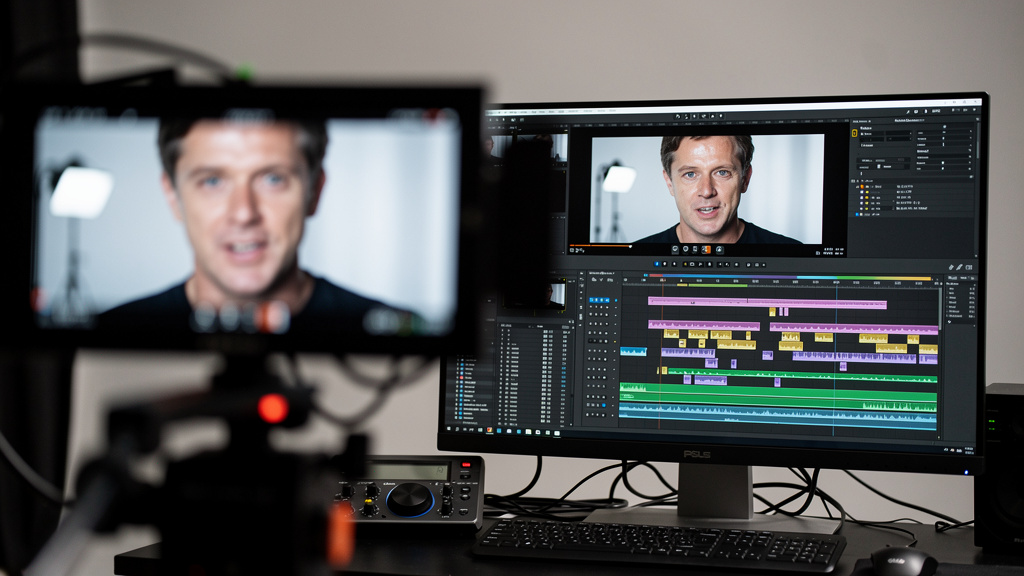
Once the basics are in place, small tweaks in structure and presentation can produce much better results from the same ideas. These advanced tips speak directly to the signals the algorithm watches most closely.
Optimize Your Video Structure
The first 30 seconds should:
Hook attention
State the promise
Move quickly into real value
You might open by naming the problem, show a quick preview of the result, then jump straight into step one without a long intro. During editing, cut any sentence or scene that does not move the video toward its promise.
Pattern changes—new camera angles, on‑screen text, or sound shifts—every few seconds can also help hold attention, especially on mobile.
Improve Accessibility And User Experience
Better accessibility often leads to better metrics. Simple upgrades include:
Subtitles and closed captions for deaf viewers, people who watch without sound, and international audiences who read English more easily than they hear it
Chapters and timestamps so viewers can jump to the part they care about most
Text and graphics that stay readable on small screens
Since most watch time now comes from phones, always preview your video on a small device before publishing.
Encourage Meaningful Engagement
YouTube looks not just at how many comments you get but how real the conversation feels. To invite genuine responses:
Ask one clear question in the video
Pin a top comment that repeats that question
Reply to early comments to show there is a person behind the channel
Use Community polls to let viewers vote on topics, titles, or thumbnails. That builds a feedback loop between your audience and your content plan.
Analyze And Iterate Using YouTube Analytics
Analytics are not just reports; they are clues. Key places to watch:
Audience retention graph: shows exactly where viewers leave or skip ahead
Traffic sources: reveal whether Search, Suggested, Shorts, or external sites bring in most viewers
CTR and watch time: show how well titles, thumbnails, and structure are working together
Over time, test different title formats, thumbnail styles, hooks, and video lengths. Compare how each change affects CTR, watch time, and session length for the YouTube algorithm for new channels.
Conclusion
Success on YouTube in 2026 is not about secrets or luck. The platform rewards channels that understand their viewers, make honest promises, and keep people watching. For new creators, the YouTube algorithm for new channels cares far more about how people respond to each video than about subscriber count.
If you focus on satisfaction, clear titles and thumbnails, a well‑defined niche, and smart use of formats like Shorts, you are feeding the system exactly what it wants. Growth still takes time and steady work, but new channels now have real chances to stand out because the algorithm is always searching for fresh content that fits each viewer’s habits.
HypedX fits into that picture as a partner that helps new channels escape the silent early stage. With genuine, high‑retention views, careful delivery, and precise geo‑targeting, HypedX helps the algorithm see quality sooner and test your content with the right audience.
Every channel that looks huge once sat at zero. The difference is that those creators learned how the system thinks and kept improving. You can do the same, starting with the steps in this guide and, when you are ready, adding HypedX to speed up your path to discovery.
Frequently Asked Questions
How Long Does It Take For The YouTube Algorithm To Pick Up A New Channel?
There is no fixed timer for the YouTube algorithm for new channels. The system starts reading data from your very first upload and keeps testing as more viewers interact. Some videos take off within days when they hit a clear need and hold attention; others grow slowly over months.
Consistent uploads, sharp SEO, and strong engagement shorten the wait. Strategic early promotion through services like HypedX can also speed up those first tests by giving the algorithm solid data sooner.
Does YouTube Favor Larger Channels Over New Channels?
In 2026, the algorithm focuses more on viewer satisfaction and video performance than on channel size. YouTube wants fresh content that keeps people watching, so it often tests videos from new creators alongside big names.
Larger channels do have an advantage because they already have an audience that clicks quickly. But a strong video from a new channel can still spread widely if it earns high CTR, good retention, and positive feedback.
What’s The Biggest Mistake New Channels Make With The Algorithm?
The most common mistake is posting random videos on unrelated topics. When a channel jumps around without a clear theme, the algorithm cannot tell who should see those videos. That confusion leads to low CTR and weak retention, which look like low value.
The fix:
Pick a niche you can commit to
Make a cluster of related videos
Link them together so viewers naturally move from one to the next
That pattern helps the YouTube algorithm for new channels recognize what you stand for and who your videos serve.
Are YouTube Shorts Important For Growing A New Channel In 2026?
Yes. Shorts are a major growth engine for many new channels. The Shorts feed can show your clips to a large stream of viewers, even when your channel is tiny.
If you:
Hook attention within the first few seconds
Deliver a quick, satisfying payoff
Encourage people to rewatch or share
…the Shorts system can introduce you to thousands or even millions of viewers. From there, you can point people toward long‑form videos using clear calls to action and well‑placed end screens.